
Discover the unique cultures of this region
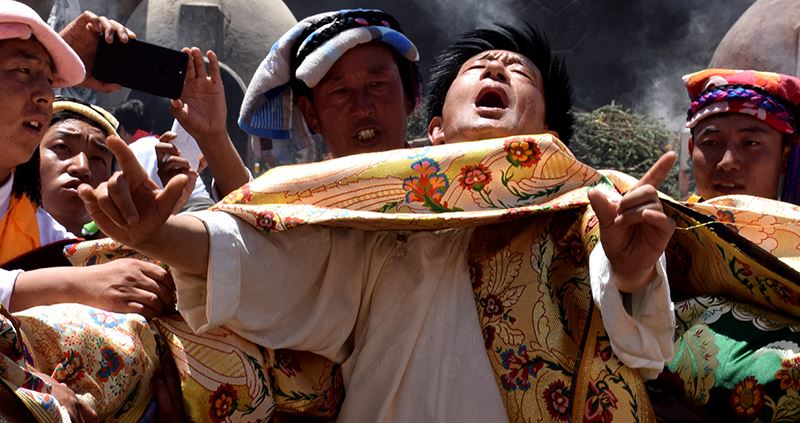
Lurol is a unique culture that has thrived for thousands of years, passed through generations, and is deeply rooted in the heart of Tibet. Its rich traditions and customs reflect the resilience and spirit of the people who call this region home. Embracing both history and community, Lurol continues to inspire and captivate those who seek to understand its timeless essence. Discover the beauty and significance of this extraordinary heritage.
D01. XINING
D02.Trostang Dorje Chang
D03.Rebgong
D04. Lurol festival
D05. Lurol
D06. Laurol
D07. Tashi Kyi
D08. Akhyung Namdzon.
D09.Shakhyung- Xining airport
Details for 2026
31/ July: Xining
At Xining airport and meet your guide and driver and transfer to your hotel.
01 Aug: Trostang Dorje Chang- Drive to Ledu and visit the Antic temple; Trostang Dorje Chang. You can visit the old mural paintings and books in the temple. The giant bell in Trostang Dorje chang is quite popular in the area. It has been partly damaged during the Cultural Revolution but still, you see a bell hanging in one of the temples.
02 Aug: Rebgong
The valleys of Repkong are home to the renowned school of Rebkong Art, one of the most highly esteemed traditions of Buddhist painting and sculpture in the Tibetan world. At the farming villages of Sengeshong Yagotsang on the east bank of the Gu-Chu River, this morning, you will visit exquisitely decorated temples and the studios of the villages and monastic artists where painted scrolls can be purchased. Most of the temples and monasteries of Amdo, which have been reconstructed in recent years, have commissioned works of art, including elaborated mural panels, from Repkong. In town, this afternoon, you explore the vast complex of Rongpo Gonchen, originally a Sakya Foundation (1301) which was reconstituted as a Gelukpa monastery in the 16th century, and then you drive north along the west bank of the Guchu to visit Nyentok and Gonmar monasteries, where the majority of the monks hail from the Tu ethnic community. At Nyentok the most impressive building is the Jamkhang- containing a 13m Maitreya, while at Gomar there is a seven-store stupa with multiple chapels dedicated to the meditational deities of the four classes of the tantra. In the evening can visit monks debating in the courtyard
03 -05 August: Lurol (Shaman) Festivals
Lurol lasts more than a week time and Sakyil village is the first village that starts Lural in Rebkong and then the other villages and communities carry out respectively. Each village performs Luro for 3 days. Lurol is classified as Lhatse, Lutse, and Maktse. Lhatse comes first and its main purpose is to fulfill the mountain spirits called Shidak. Lutse comes to the second and its main purpose is to fulfils the Nagas or water spirits by doing some series of offerings. Make comes last and its main purpose is to invoke all spirits for their help to pacify any conflicts or quarry or outcomes of the country and community. Eventually, they pray for peace for all living beings.
All the men and girls from the community should be involved in the Fest and the best clothes and jewels of the year should be worn during the Fest.
06 August:
Drive to Tashi Kyil and visit the hermitage and day hike in the villages.
After driving about a half-hour from Rebkong town, on the left, a dirt road leads straight up to a mountain and continues the zigzag road, You will find yourself on a clifftop and you can have a fantastic view of all Rebkong valley as well as all the surrounds. There is a nice village with their farming lands. This is an ideal place to walk through. The walls are built earth solo and houses inside are built with wood. Tashi Kyil monastery is just a few km away from the village. This is said to be the first monastery ever built, even before the Rongpo Gonchen. Its location is such peaceful and so beautiful. It is quite a hidden place that’s why it’s not known for tourists nor Tibetan pilgrims.
7 Aug: Akhyung Namdzon.
In the town of Trika, there is a temple called Yulha Temple. One of the Chinese warriors died and became a Yulha; a mountain spirits. This temple is built particularly for him. It is interesting to see the offerings made by both Chinese and Tibetans.
Today, you drive towards the east, following the Machu (Yellow River) downstream and you will see some interesting red rock formations on the other side of the river.
Shortly after the riverside ride, the trail ascends on Mt Shengpo(Seenpo) and a zigzag road leads to the mountain top and some forest areas appear as driving down valleys and there are several interesting Tibetan villages along the road. Visit the villages and then continue to the National Park. Akhung Namdzon lies within the national park area. Visit the nunnery, and Nyingmapa Gonpa, a Dodzchen tradition.
8 Aug: Shakhyung- Xining airport
Drive to Shakhyung (Garuda) monastery, located on a Garuda-shaped mountain with down looking sharp cliff on one side. From the top of the cliff, you can have a spectacular view of the bands of Ma-chu (Yellow River). It’s one of the four principal Gelugpa (schools) monasteries in north Amdo as well as a major pilgrimage site for Tibetans, founded by ChosGyal Dondup Rinchen; the Great Master of Tsongkhapa. Visit some monk’s houses and have some with the monks. In the afternoon drive to Xining airport and depart.
 Tibetan Caravan Tours