Lhasa, the capital of China’s Tibet Autonomous Region, is a historic and cultural city known as the “City of Sunshine” due to its abundant sunlight. Situated at an altitude of about 3,650 meters on the Tibetan Plateau, it is one of the highest cities in the world.
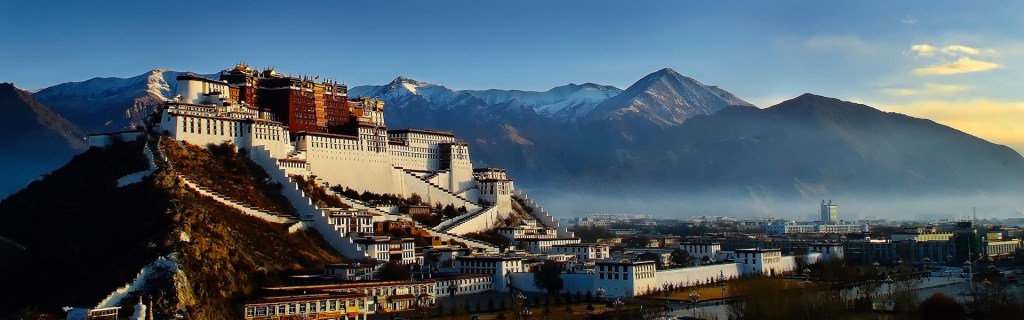
Focal points:
Destination: Utsang region, central Tibet
Best season to visit: March-November
Trip type: Culture and scenery
Trip length: 5D4N
🌡 ☪ 10 ☀️ +16~25°c
Group size: 2-10
Trip at a glance
1 .Arrival / Lhasa by train or flight to Lhasa
2 .Lhasa / Drepung / Norbulinka Lhasa
3 .Lhasa / Potala palace, Sera, Jokhang temple & Barkhor Lhasa
4. Lhasa / Day trip to Ganden and back to Lhasa Lhasa
5. Lhasa / Airport or railway station
Want this trip to be customised?
Please let us know your preferable places and number of days, and Regions or provinces . We are flexible to do the way you wish it to be.
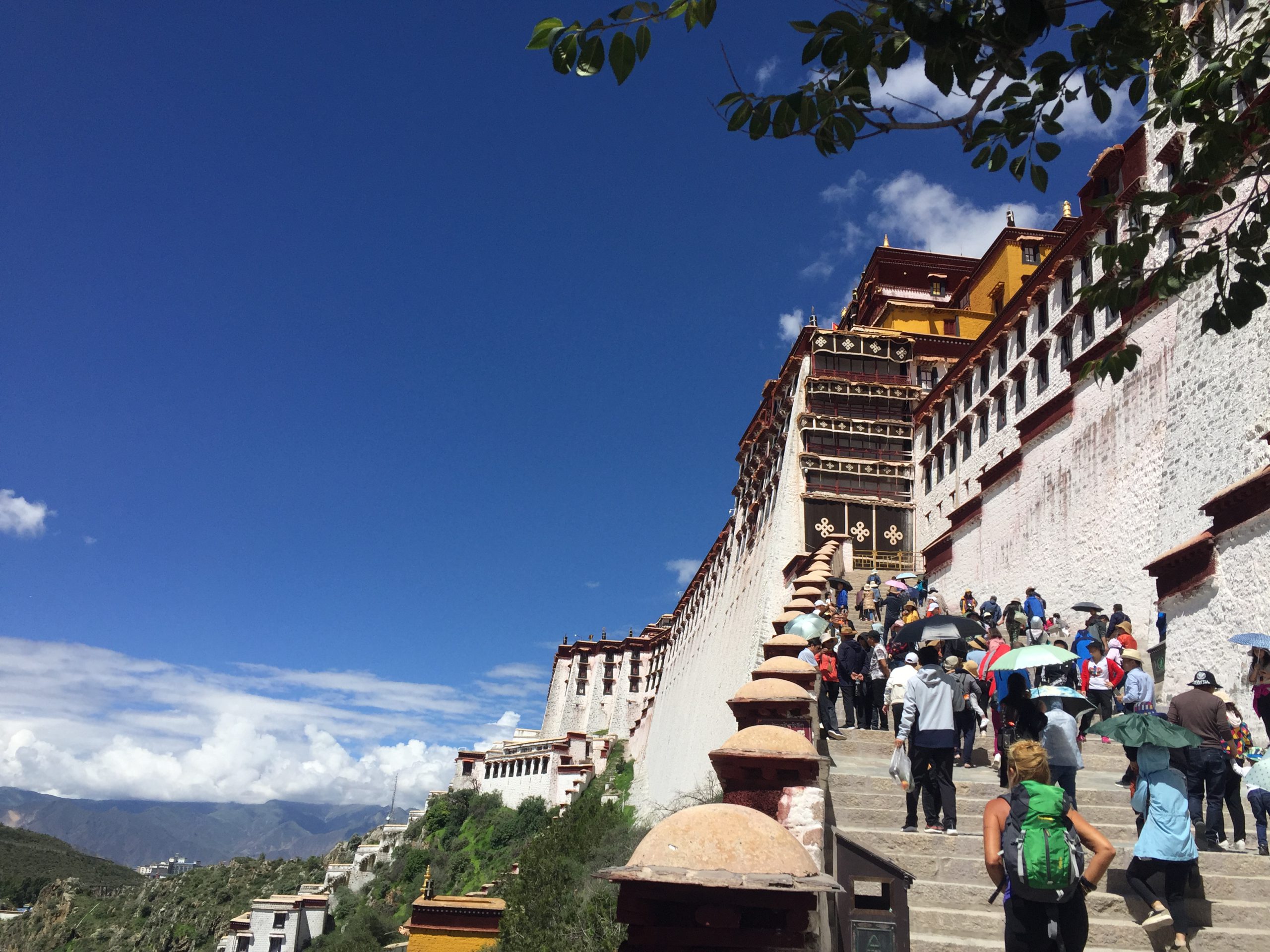
Potala palace
Lhasa’s iconic landmark is the magnificent Potala Palace, a UNESCO World Heritage site and former winter palace.
Jokhang temple
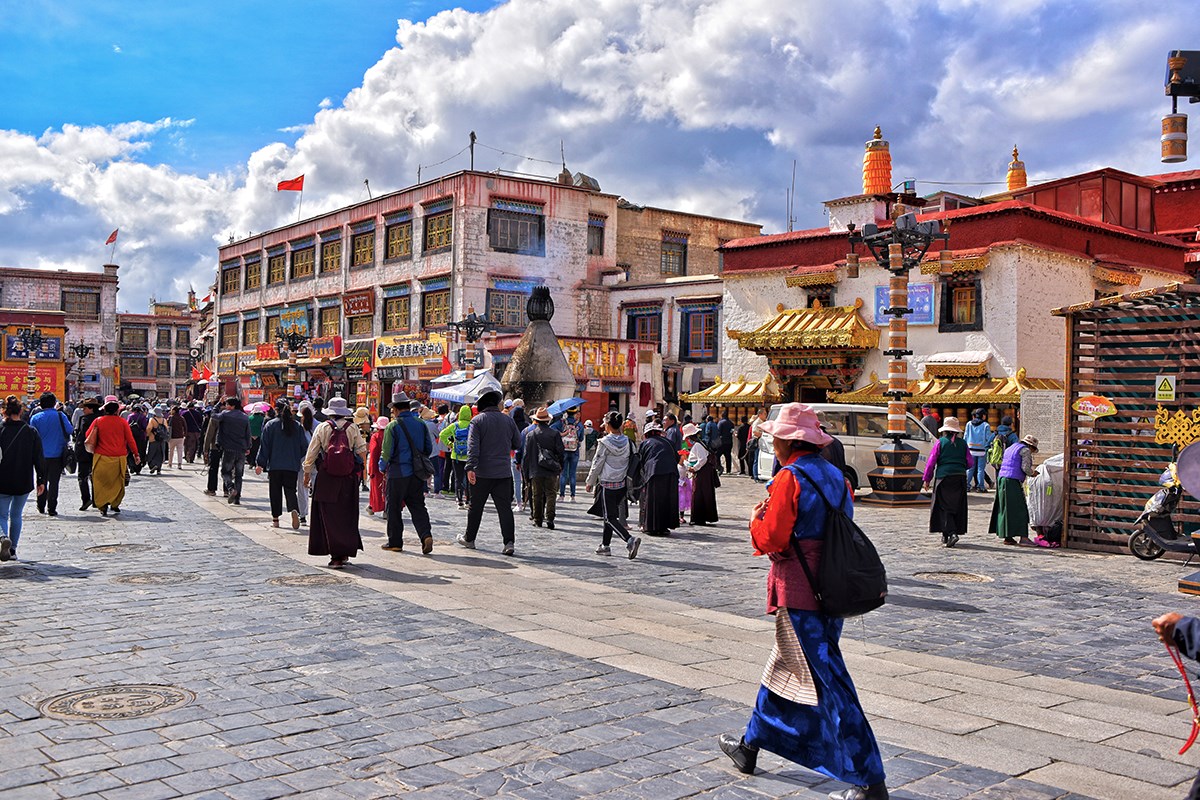
he sacred Jokhang Temple, another UNESCO site, lies at the center of the ancient pilgrim city. Surrounding it is the bustling Barkhor Street, a vibrant pilgrim circuit and market.
Sera
Sera Monastery is one of the “Great Three” Gelug university monasteries of Tibet, alongside Drepung and Ganden. Founded in 1419 by Jamchen Chojey, a disciple of Tsongkhapa, it is located at the base of a mountain just north of Lhasa.
Read more
Sera was renowned for its rigorous scholarly debate, a cornerstone of Tibetan Buddhist education. Monks engaged in daily, lively philosophical debates in its courtyard, using dramatic gestures and logic to defend their understanding of doctrine. The monastery also housed important printing presses and had several colleges specializing in philosophical study and tantric practice.
While smaller than Drepung, Sera was a major intellectual powerhouse, producing some of Tibet’s greatest scholars. It remains an active monastic center and a key site for witnessing the dynamic tradition of Buddhist debate.
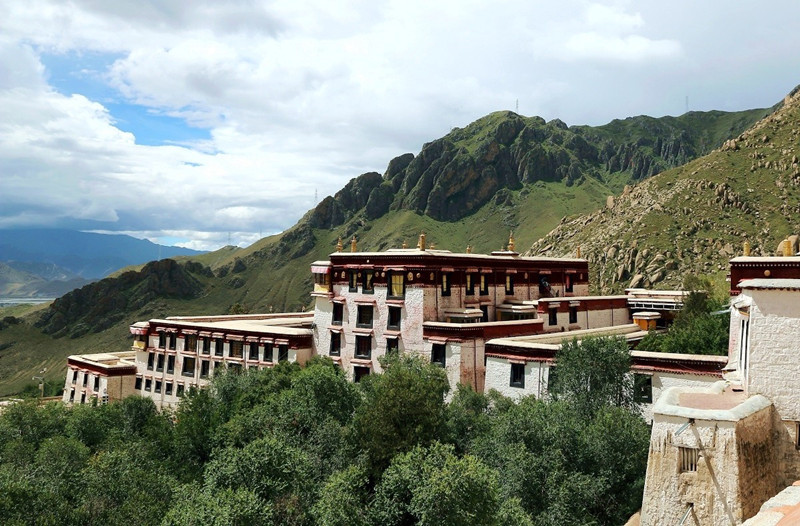
Drepung
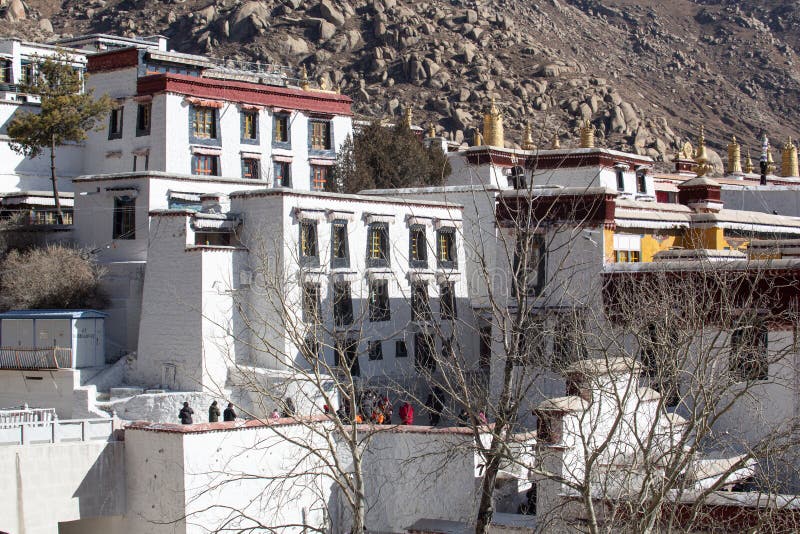
Drepung Monastery, once the world’s largest Tibetan Buddhist monastery, is a monumental institution located near Lhasa, Tibet. Founded in 1416 by Jamyang Chojey, a direct disciple of Tsongkhapa, it served as the central administrative seat of the Gelug school and the traditional residence of the Dalai Lamas prior to the Potala Palace.
Read more
At its peak, it housed over 10,000 monks and functioned as a great university, comprising seven colleges dedicated to the study of philosophy, logic, and tantra. Its name, meaning “Rice Heap,” derives from its white, mountainous cluster of buildings covering the hillside.
As the principal monastic university, Drepung was the heart of Tibetan Buddhist scholarship and political power for centuries. It remains one of Tibet’s most important religious and cultural landmarks
Ganden
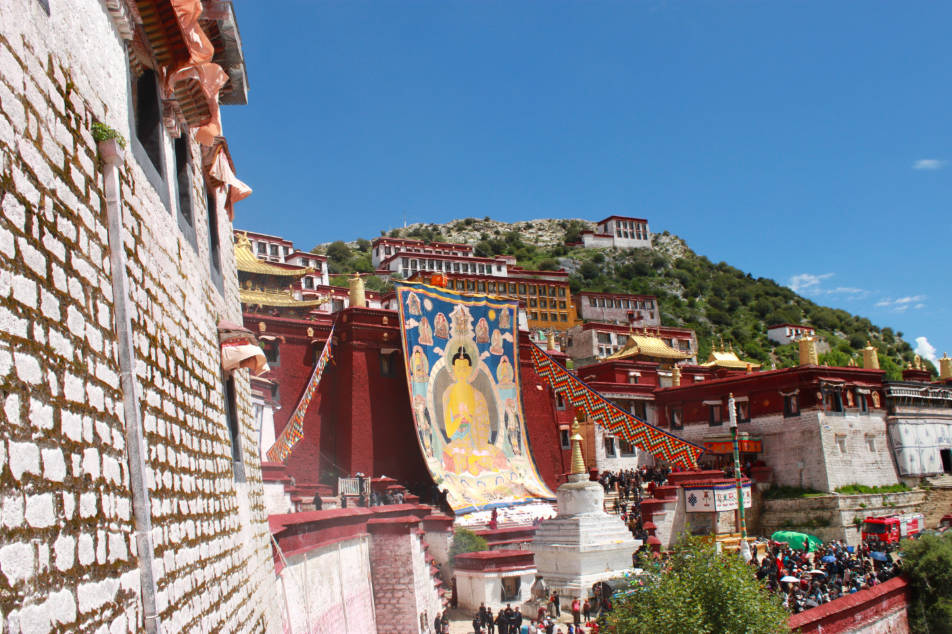
Ganden Monastery is the original and most sacred monastery of the Gelug (Yellow Hat) school of Tibetan Buddhism. It was founded in 1409 by Tsongkhapa, the school’s founder, on a spectacular mountain ridge about 40 kilometers east of Lhasa.
Read more
Unlike Drepung and Sera, which were monastic universities, Ganden served primarily as the personal seat of Tsongkhapa and his successive lineage holders, the Ganden Tripas (Throne Holders of Ganden), who are the official heads of the Gelug school. Its founding marked the formal establishment of the Gelug tradition.
The monastery’s name means “Joyful,” and it was historically divided into two main colleges for philosophical study. It was completely destroyed in 1966 but has been partially rebuilt since the 1980s. Tsongkhapa’s tomb and preserved body were once its most sacred relics.
Today, it remains a vital pilgrimage site, symbolizing the very origin of the Gelug tradition, and offers breathtaking views of the Kyichu Valley.
Barkhor street
The bustling Barkhor Street, a vibrant pilgrim circuit and market

 Tibetan Caravan Tours