Qinghai and Gansu combined tour- From the rolling, green mountains to the vast, Gobi desert in inner Mongolia.
Focal points:
- Destination: Qinghai, north of Gansu and Inner Mongolia
- Best season to visit: April-October.
- Trip length: 8-days
- Trip type: cultural and nature
- Means of transportation: 4X4 Car or minibus
- Temperature :🌡 ☪ 3~10°c ☀️ 15~23°c
- Group size: 2-6
Trip at a glance
D01. Xining
D02 .Rebgong(Tongren)
D03.Labrang (Xiahe)
D04. XINING. Back to Xining.
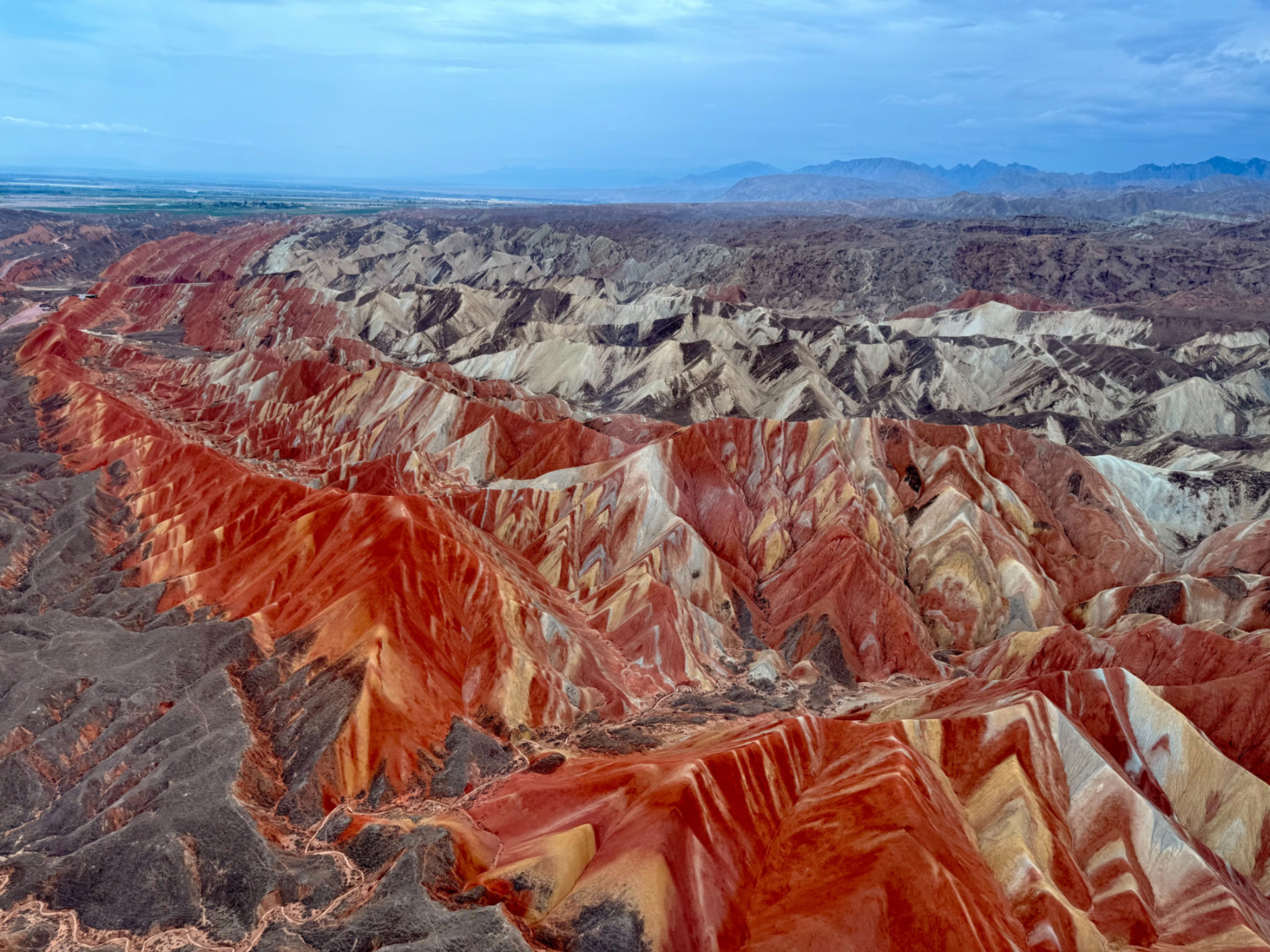
D05. Zhangye- colorful mountains; Danxia.
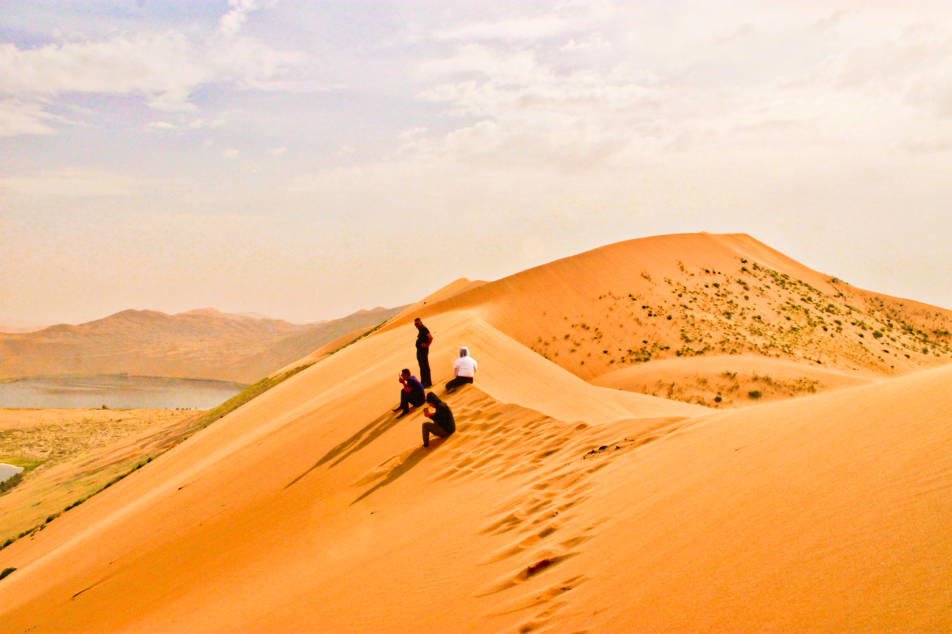
D06 Badain Jaran Desert. Mongolian cultural area.
D07. Zhangye
D08. Matisi grotto
D09.Catch the TGV train back to Xining & transfer to Airport.
Want this trip to be customised?
Please let us know your preferable places and number of days, and Regions or provinces . We are flexible to do the way you wish it to be.
Shyakhung
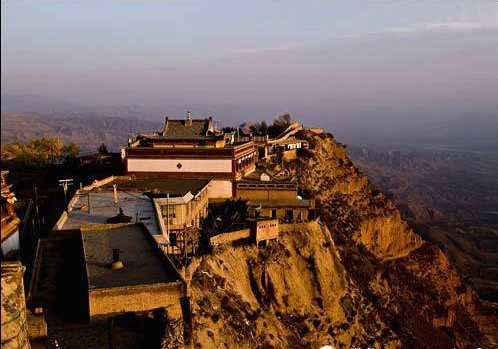
Perched dramatically upon a sheer cliff face, Shakhyung Gonpa—also revered as the Garuda Monastery—commands breathtaking panoramas of the Yellow River’s winding bands and the encircling peaks of the high Amdo mountains. As one of the four principal monastic institutions of northern Amdo, it stands as a profound cultural treasure.
The journey to the monastery is an experience in itself. The route travels along the ridges of Chagthak Khagang Mountain, offering stunning vistas of distant ranges, deep valleys, and sculpted terraces unfolding on either side. We encourage you to make full use of this scenic drive; our staff will gladly accommodate requests for photo stops or peaceful picnic breaks along the way.
We have selected Shakhyung Gonpa for its profound authenticity and serene atmosphere, remaining untouched by mass tourism. This destination offers a uniquely immersive encounter with the living spiritual heritage of the region
Rebgong
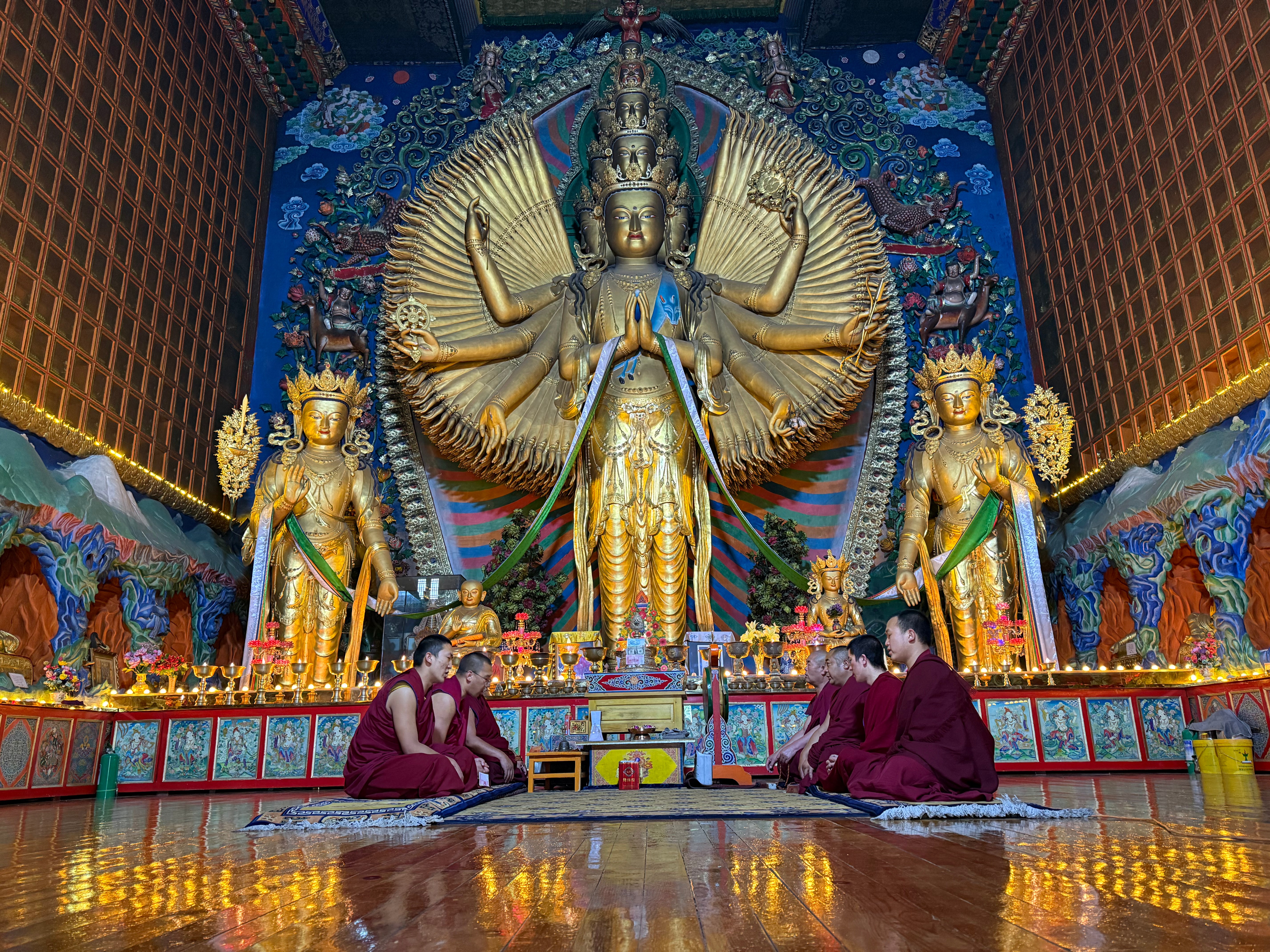
Renowned as the preeminent custodian of Tibetan culture in the Amdo region, Rebgong is home to numerous monasteries celebrated for their distinctive arts—from intricate Thangka paintings and sculptures to exquisite brocades.
On this journey, our focus is the illustrious Rongwo Gonpa. This monastery is uniquely highlighted by its vibrant daily philosophical debates, a captivating ritual involving over 300 monks. Observing this practice offers an unparalleled window into the living intellectual traditions of Tibetan Buddhism.
Labrang
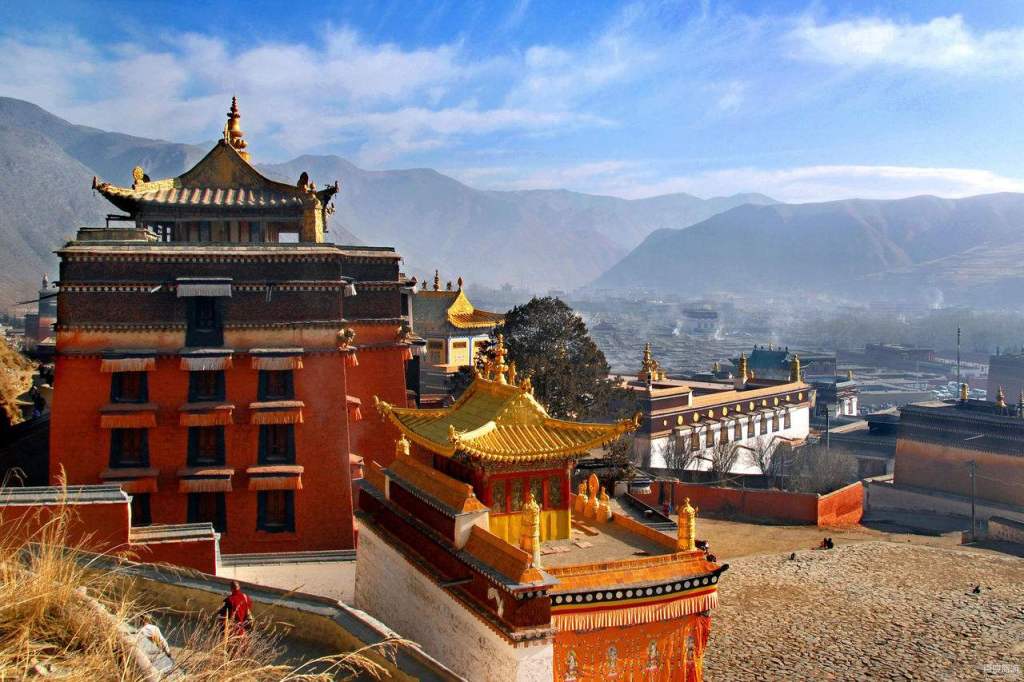
Functioned as a massive monastic university with six colleges, offering a complete curriculum in Buddhist philosophy, tantra, medicine, and astrology. Its educational system was considered the best in the region.
Labrang’s significance lies in its role as a premier Tibetan Buddhist monastic university and a unique historical crossroads where Tibetan, Mongol, Chinese, and Muslim cultures have interacted for centuries. Often called the “World Tibetan Academy,” it was one of the largest and most influential Gelugpa monasteries outside of Lhasa.This path also allows for intimate encounters, as we visit traditional Tibetan villages nestled within the farming landscapes. Here, you will have the opportunity to witness and explore a timeless way of life, deeply connected to the land
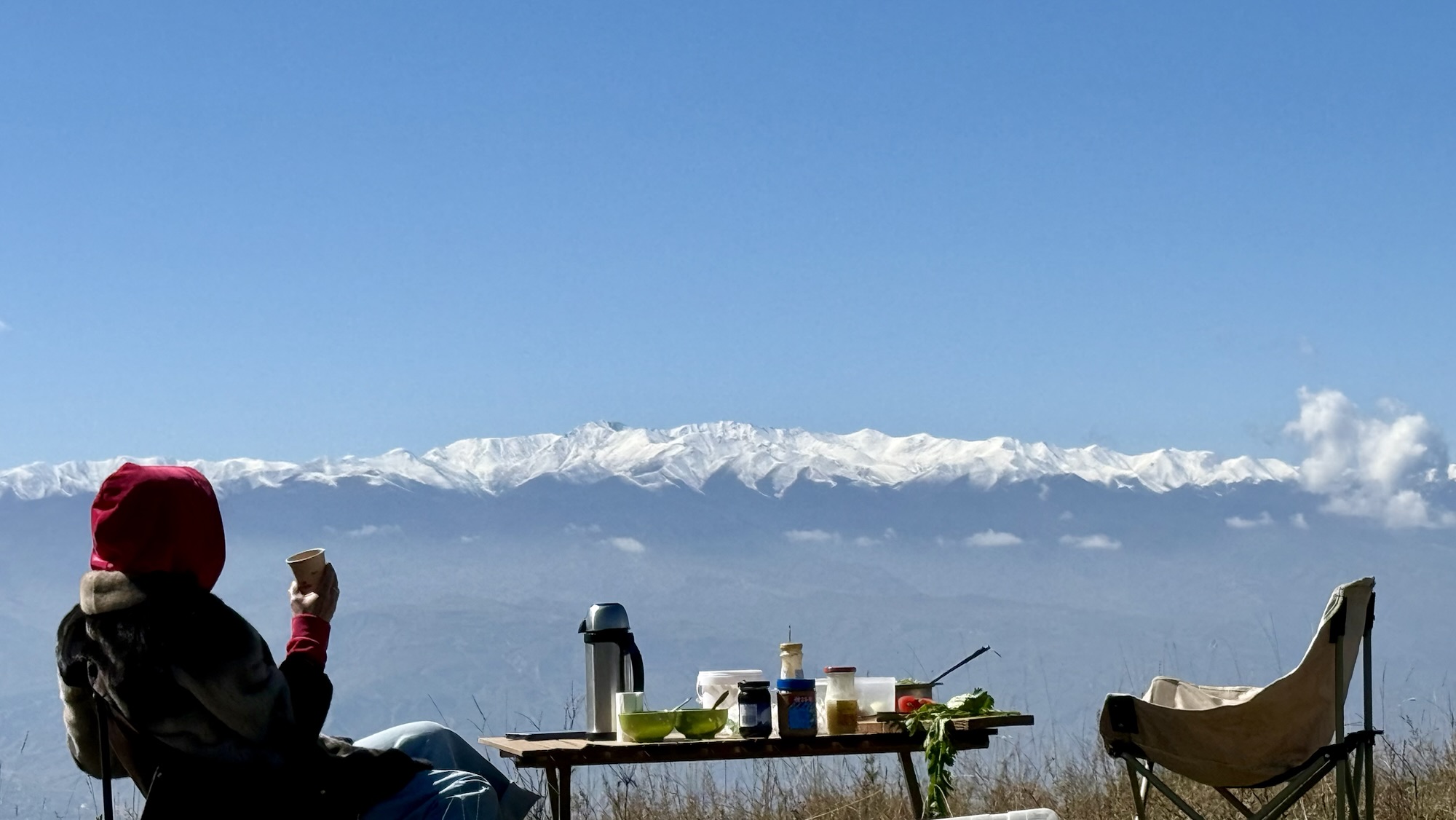
Picnics
A shared picnic is a cherished daily ritual on this journey. Our team, drawing on deep local knowledge, selects only the most spectacular and serene settings for these meals. We invite you to bring your team together with ours, creating a unique opportunity for connection and enjoyment amidst the breathtaking landscapes.
Zhangye-Rainbow mountain
Its also known as Zhangye Danxia: Where Earth Paints a Rainbow
Nature’s Palette unleashed, a Masterpiece you can step Into
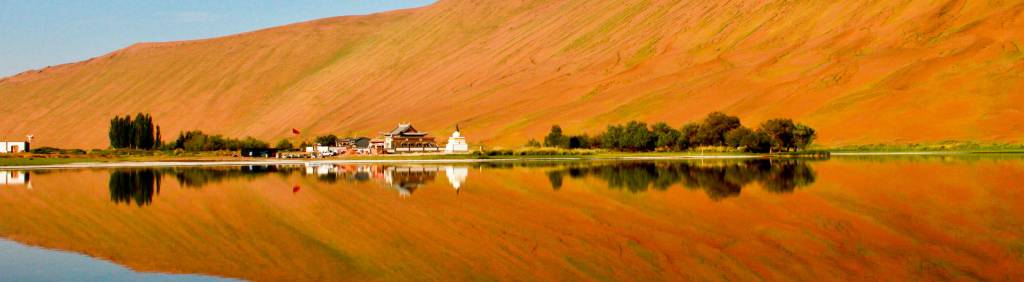
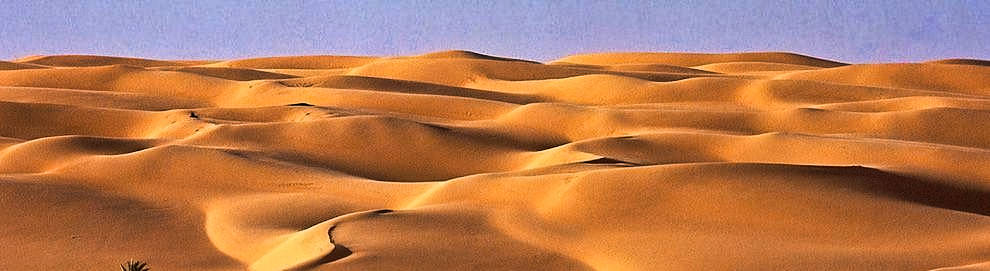
Badain Jaran Desert
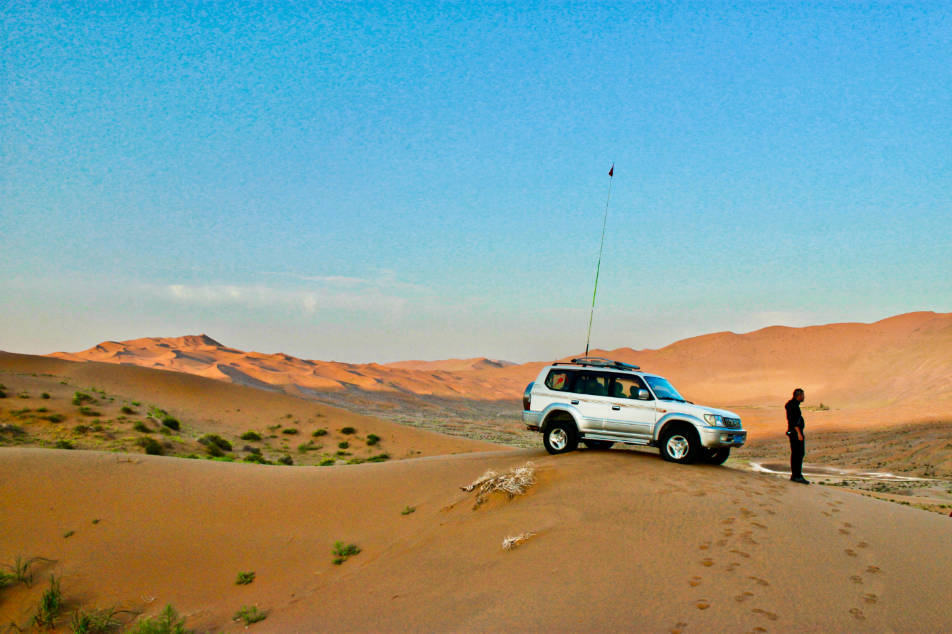
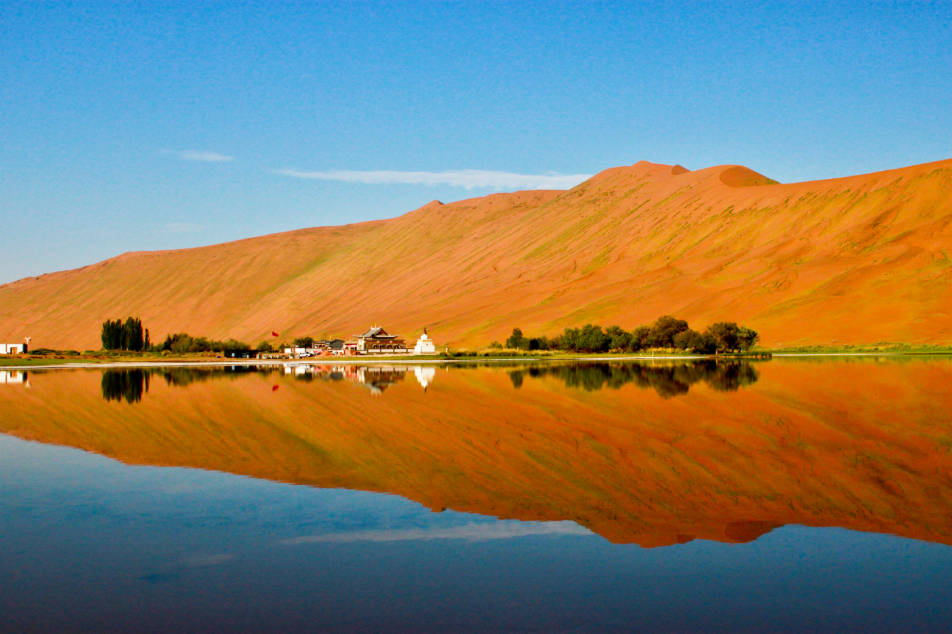
The location of Badain Jaran Desert is in the west of Inner Mongolia and in the center of the Alxa League. It’s the fourth largest desert in the world and the third-largest desert in China, with an area of 47,000 square kilometers (18,150 square miles). However, about 10,000 square kilometers (3,860 square miles) of the desert have not been touched by human beings. It’s also the most beautiful desert in China, famous for the world’s tallest sand dune- Bilutu Dune, the world’s largest singing sand area – Baoritaogaile, many lakes, and oases including the famous lake – Badain Lake, the magic spring- Yinderitu, and the ancient temple in the isolated desert – Badain Jaran Temple. The strange and charming scenery attracts many people to visit, explore and take photos.
Badain Jaran is the Mongolian language. It is said that a person, called Badain, once lived here so the place is called that. The meaning of Jadran is sixty in Mongolian to indicate this place has a number of lakes. Once upon a time, Badain Jadran wasn’t a desert region and there were mountains, rivers, and grasslands. In Ulanhot, a big city of Badain Jaran, an emperor went to Lhasa to bless the country’s rich and people’s health. After the emperor went to Lhasa, the courtiers convinced his son the emperor went there just to pray the son to die. The silly son believed them and killed his father. After the emperor died, the sand fell from the sky for seven days. Henceforth, the kingdom disappeared, and Badain.
Jaran temple
A simple Tibetan Budhist temple remain in the middle of no where in the vast desert.
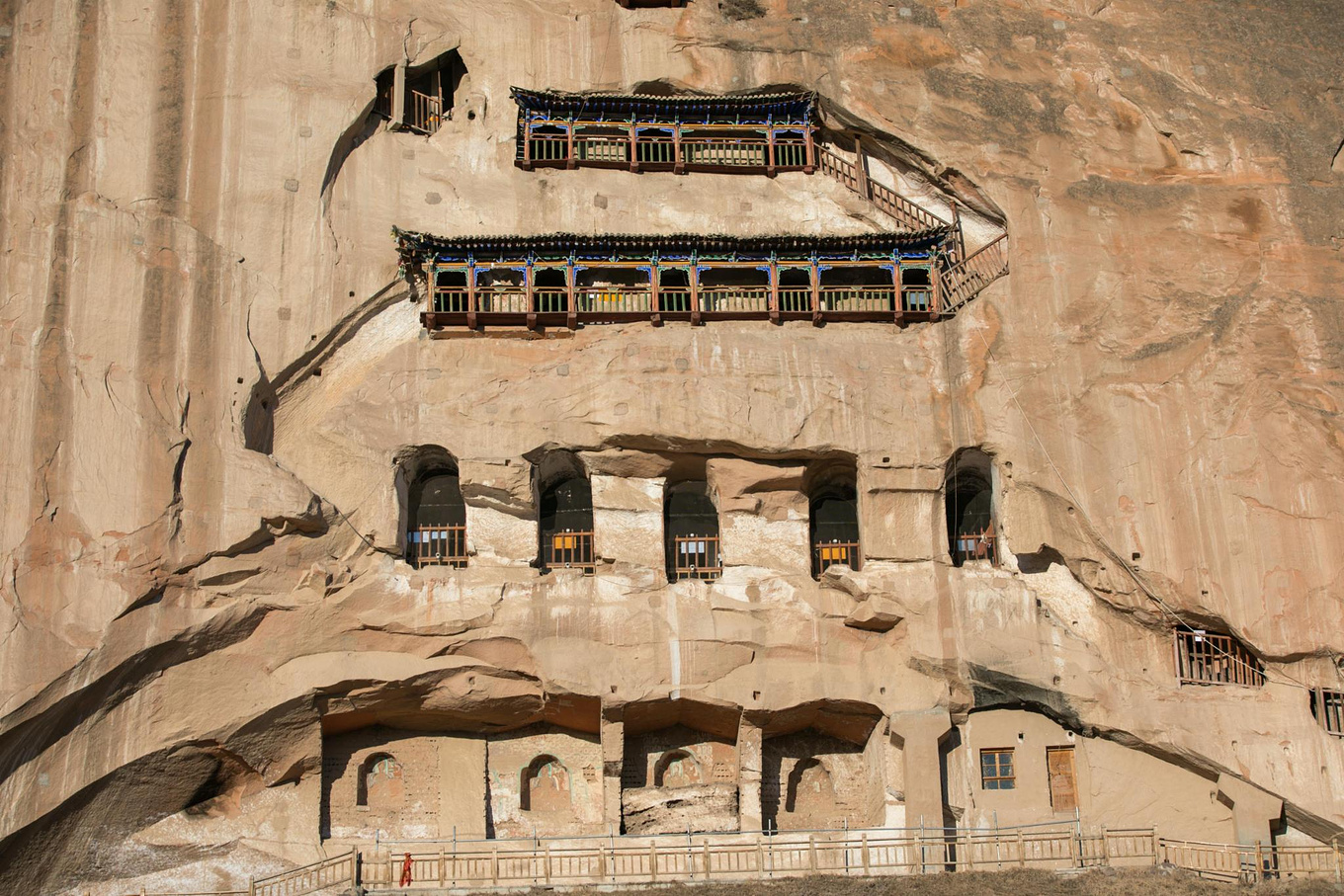
Matisi grottoes
This is the most iconic structure. It is a striking seven-story, 21-cave pagoda carved directly into a 100-meter-high cliff. Visitors climb through narrow, dark tunnels and steep, worn stairs to reach the top, which houses a statue of Green Tara .
The Matisi Grottoes offer a unique adventure that combines physical effort with cultural discovery.
It is a remarkable complex of Buddhist cave temples
 Tibetan Caravan Tours