
Focal points:
- Destination: Amdo and Kham regions (Qinghai, Gansu, Sichuan),
- Best season to visit: April-October.
- Trip length: 21 days
- Trip type: cultural and nature
- Means of transportation: 4X4 Car or minibus
- Temperature :🌡 ☪ 3~10°c ☀️ 15~23°c
- Group size: 2-8
Trip at a glance
D01. Xining
D02. Shakhung -Karothang village
D03. Rebkong-Rongpo Monastery
D04. Labrang
D05. Sokdzong
D06. MtJigan- Machu (Masqu)
D07. Ngawa
D08. Mt. Nyenpo Yurtse
See more
D09. Ngawa- Gonmang monastery and the nunnery
D10. Serta
D11. Kandze-Karze Gonchen
D12. Derge print-house-Yilhun Lhatso lake
D13. Dzongsar – Dzonsar Gonpa
D14. Day hiking around Dzongsar
D15. Batang
D16. Litang
D17. Mt. Geynen
D18. Lhagang- Lhagang temple.
D19. Yala Mt national park( Zhara Lhatse)
D20. Ya’an Bifengxia Panda Reserve-Chengdu
D21. Departure from Chengdu international airport
Want this trip to be customised?
Please let us know your preferable places and number of days, and Regions or provinces . We are flexible to do the way you wish it to be.
Shakhyung
Perched dramatically upon a sheer cliff face, Shakhyung Gonpa—also revered as the Garuda Monastery—commands breathtaking panoramas of the Yellow River’s winding bands and the encircling peaks of the high Amdo mountains. As one of the four principal monastic institutions of northern Amdo, it stands as a profound cultural treasure.
The journey to the monastery is an experience in itself. The route travels along the ridges of Chagthak Khagang Mountain, offering stunning vistas of distant ranges, deep valleys, and sculpted terraces unfolding on either side. We encourage you to make full use of this scenic drive; our staff will gladly accommodate requests for photo stops or peaceful picnic breaks along the way.
We have selected Shakhyung Gonpa for its profound authenticity and serene atmosphere, remaining untouched by mass tourism. This destination offers a uniquely immersive encounter with the living spiritual heritage of the region

Rebgong
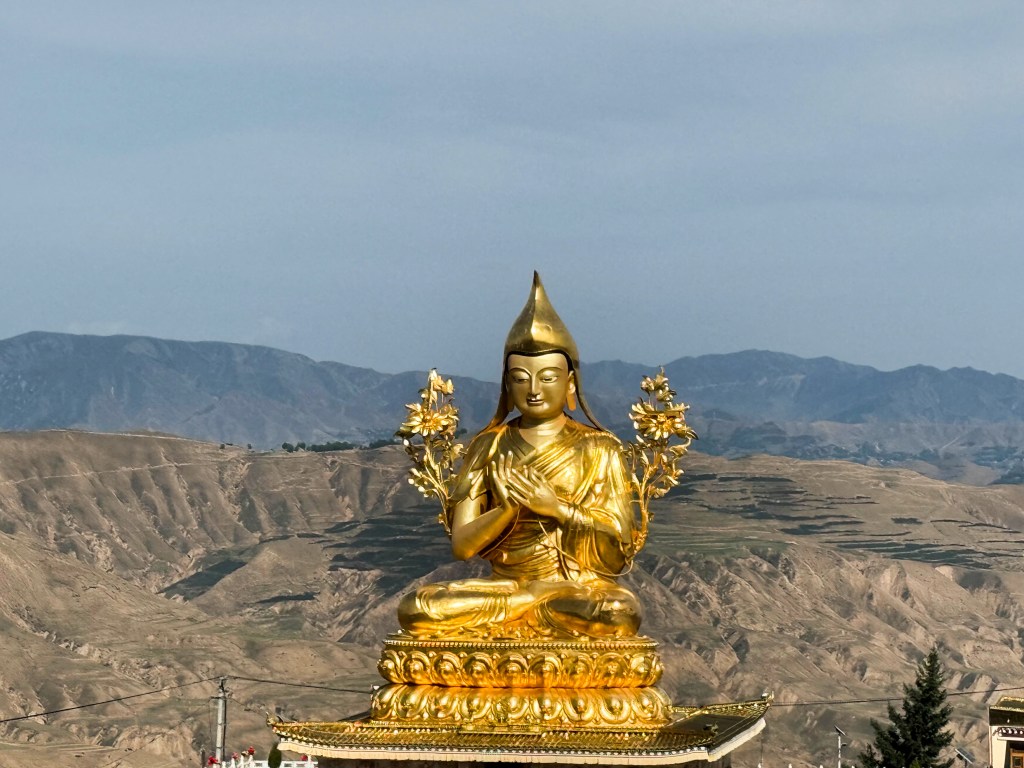
The road to Rebgong is an integral part of the experience. We have charted a route along a newly accessible country road that winds through spectacular mountain passes and serene valleys, offering breathtaking panoramic views at every turn.
This path also allows for intimate encounters, as we visit traditional Tibetan villages nestled within the farming landscapes. Here, you will have the opportunity to witness and explore a timeless way of life, deeply connected to the land
Labranng
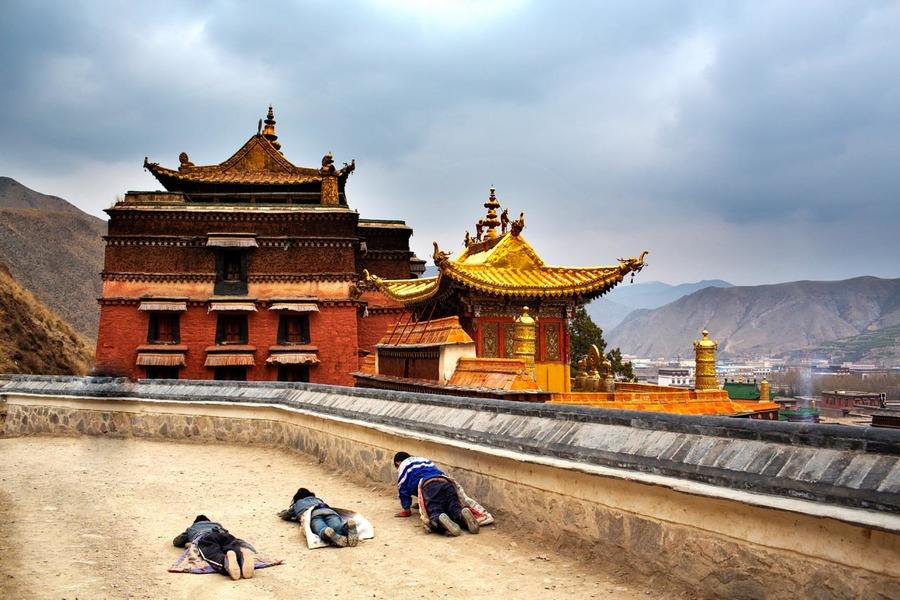
Functioned as a massive monastic university with six colleges, offering a complete curriculum in Buddhist philosophy, tantra, medicine, and astrology. Its educational system was considered the best in the region.
Labrang’s significance lies in its role as a premier Tibetan Buddhist monastic university and a unique historical crossroads where Tibetan, Mongol, Chinese, and Muslim cultures have interacted for centuries. Often called the “World Tibetan Academy,” it was one of the largest and most influential Gelugpa monasteries outside of Lhasa.
Sokdzong
Just 40 km from the county town, Mount Jigan rises as one of Amdo’s sacred mountains. Its majestic peaks, rugged rocks, and lush lower slopes create a perfect haven for wildlife and yaks alike.
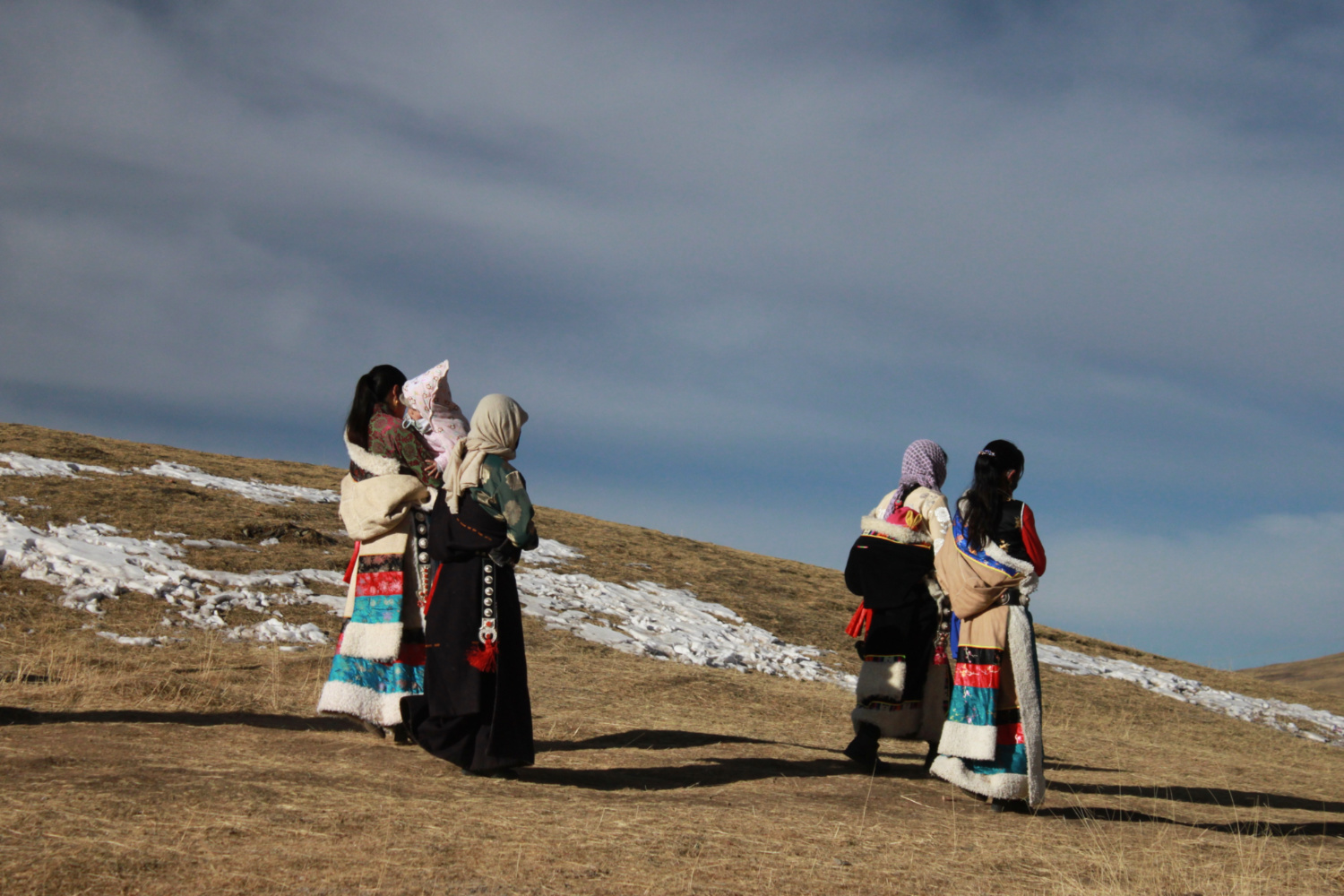
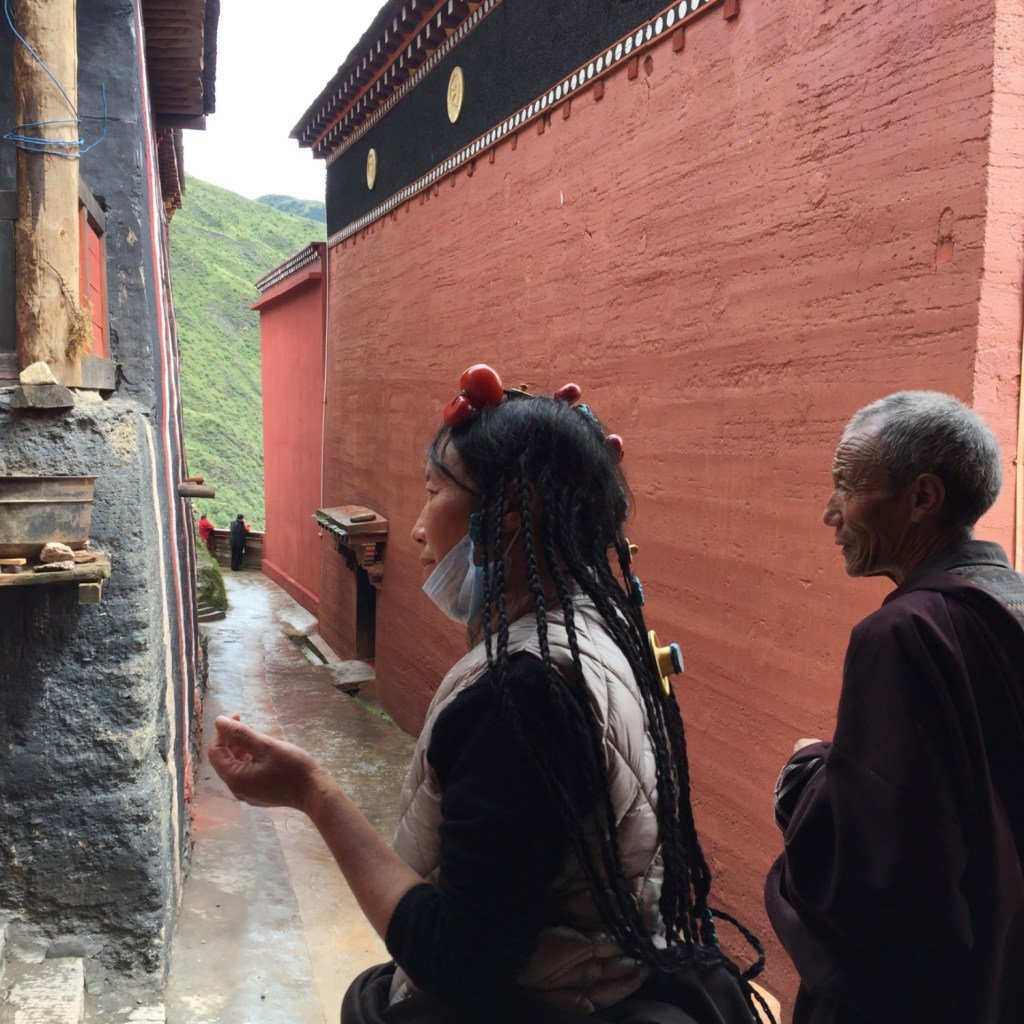
Though modernization presses on, the locals remain rooted in tradition—still adorned in the same costumes and jewels as their ancestors.
Ngawa
“Ngawa” (also known as “Aba” in Chinese) is a region that is distinct from Kham, though it is closely connected. Its significance lies in being a unique cultural and administrative region on the northeastern Tibetan Plateau.
A major center of Tibetan Buddhist , Bon,Jonang, Sakya, and Nyenma tradion. It’s also home to hundreds of monasteries representing different schools. Kirti Gompa, the largest, Gelugpa monastery founded in 1472, houses thousands of monks.
Nyenpo Yurtse
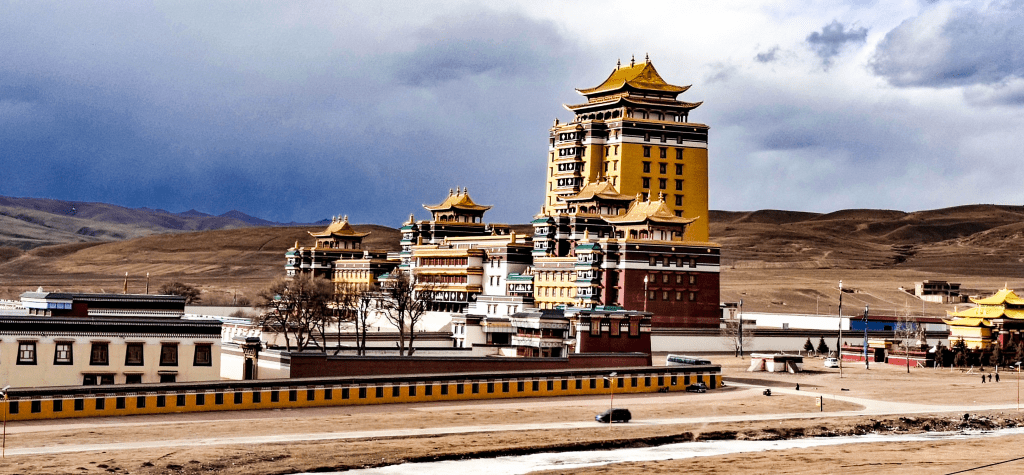
Mount Nyenpo Yurtse (Nianbao Yuze,) is a site of immense cultural, religious, and geographical significance. It is a sacred mountain range located in the heart of the Golog Tibetan Autonomous Prefecture in Qinghai Province, at the crossroads of the traditional Tibetan regions of Amdo and Kham
A sacred mountain deeply revered in Tibetan Buddhism and the indigenous Bon religion. It is considered the territorial deity and protective mountain god of the Golog tribes, central to local identity and cosmology .
In Tibetan epic tradition, it is believed to be the birthplace of the legendary hero King Gesar, the epic’s central figure. It serves as a key anchor for the unique culture of the Golog nomads
An area of pristine alpine ecology, featuring glacial lakes, rich flora, and abundant wildlife. The area is recognized for its high biodiversity value
Garze Gonpa
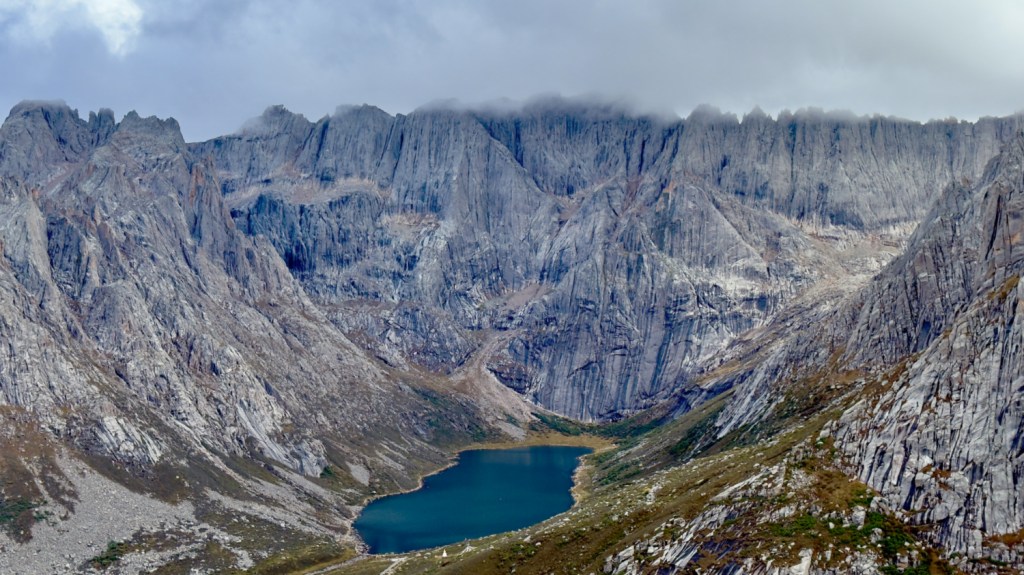
Founded around 1642 CE by Mongol allies of the Gelug school, it was one of the largest monasteries in Kham, housing 1,500 monks. It served as a political stronghold and was a central player in regional power dynamics
Its architectural highlight is the main Assembly Hall, featuring a golden roof, long red wooden columns, and three sets of glass-encased images representing the founders of the Nyingma, Kadam, and Gelug lineages. It also houses fine thangkas of meditational deities
IArchitectural Marvels: The main Assembly Hall is a striking structure with a golden roof that offers magnificent views of the valley and the myajestic snow caped moutain called Khawa lurol .
Sacred Art and Relics: Inside, the monastery houses a vast collection of religious art. This includes a hall with a huge statue of Jampa (Maitreya, the Future Buddha) . Unique to this monastery, the main hall displays three sets of images representing the founders of the Nyingma, Kadam, and Gelug lineages high up in glass cabinets . Upstairs, a library preserves the Kangyur, alongside old images of Avalokiteśvara and the great Gelug teacher Je Tsongkhapa .
Unique Relic: A smaller hall down the hill contains a particularly fascinating relic: a massive statue of the Future Buddha with a tooth of the historical Buddha embedded in its right big toe
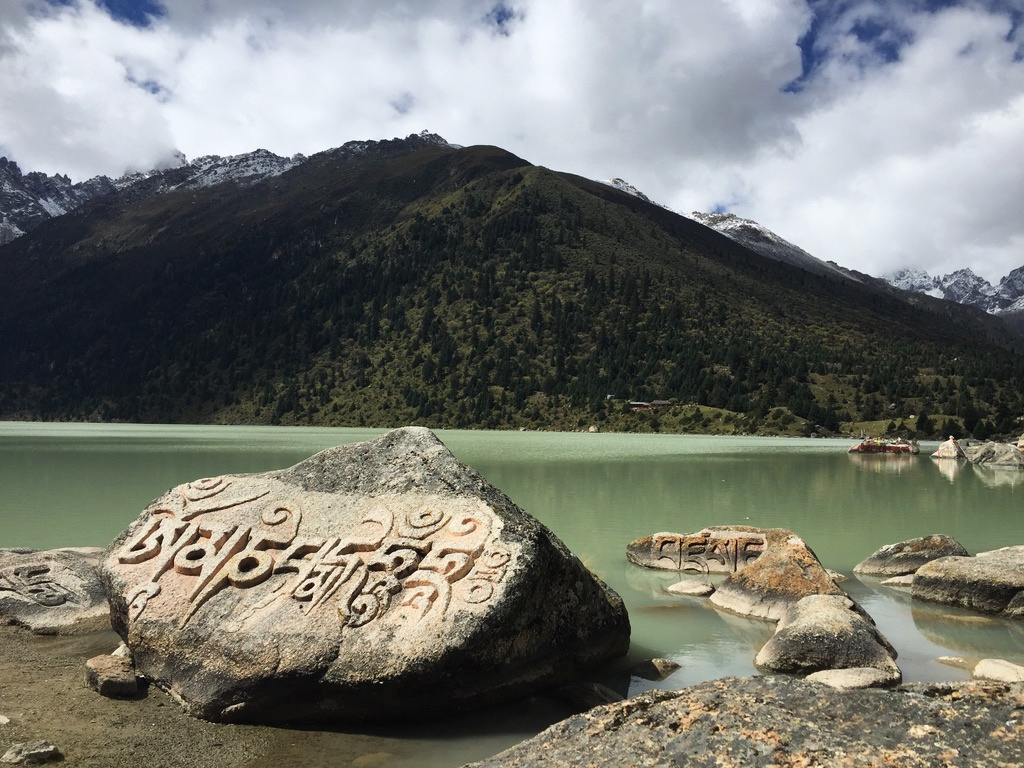
dfadaf
Dege Parkhang
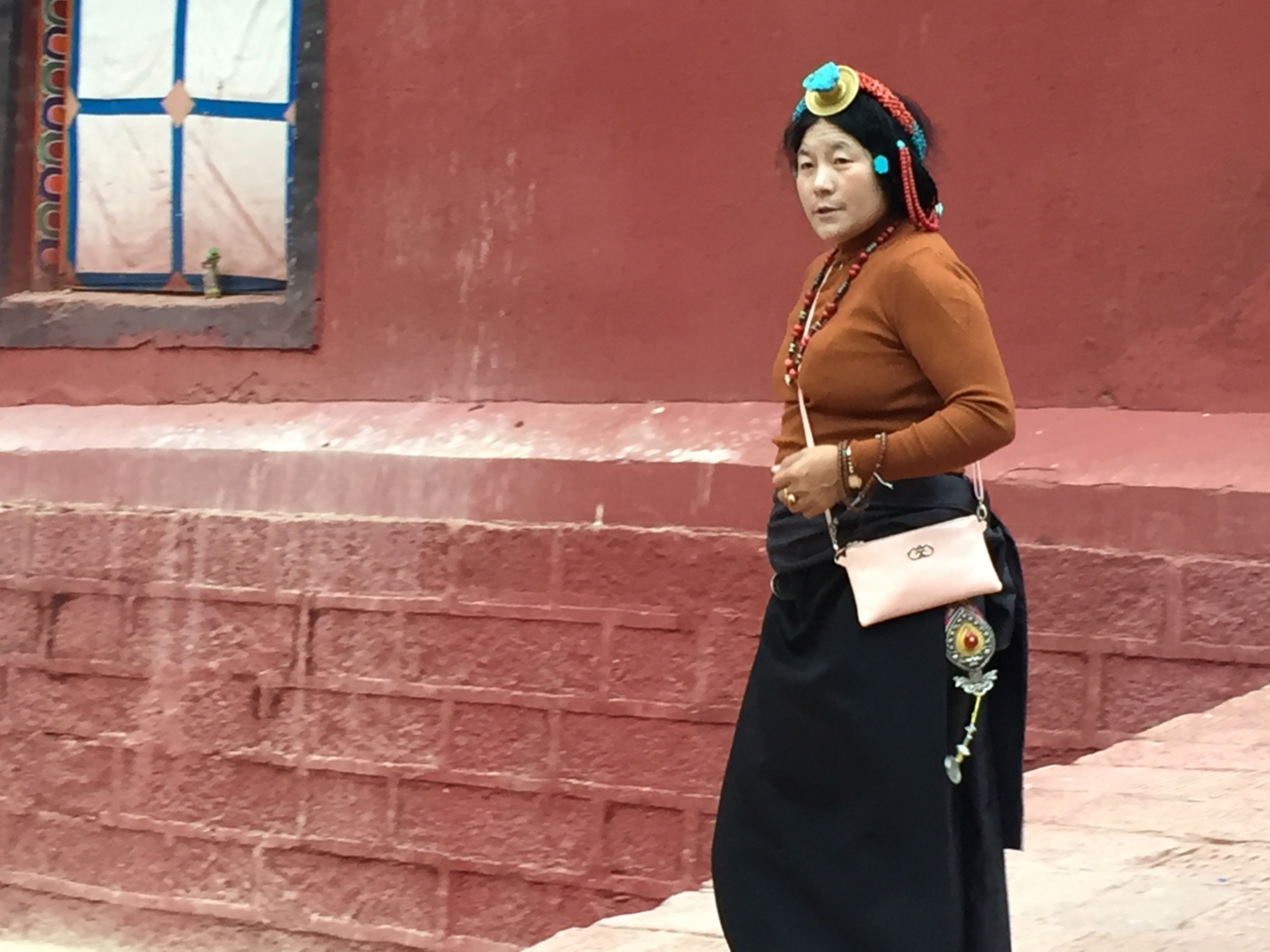
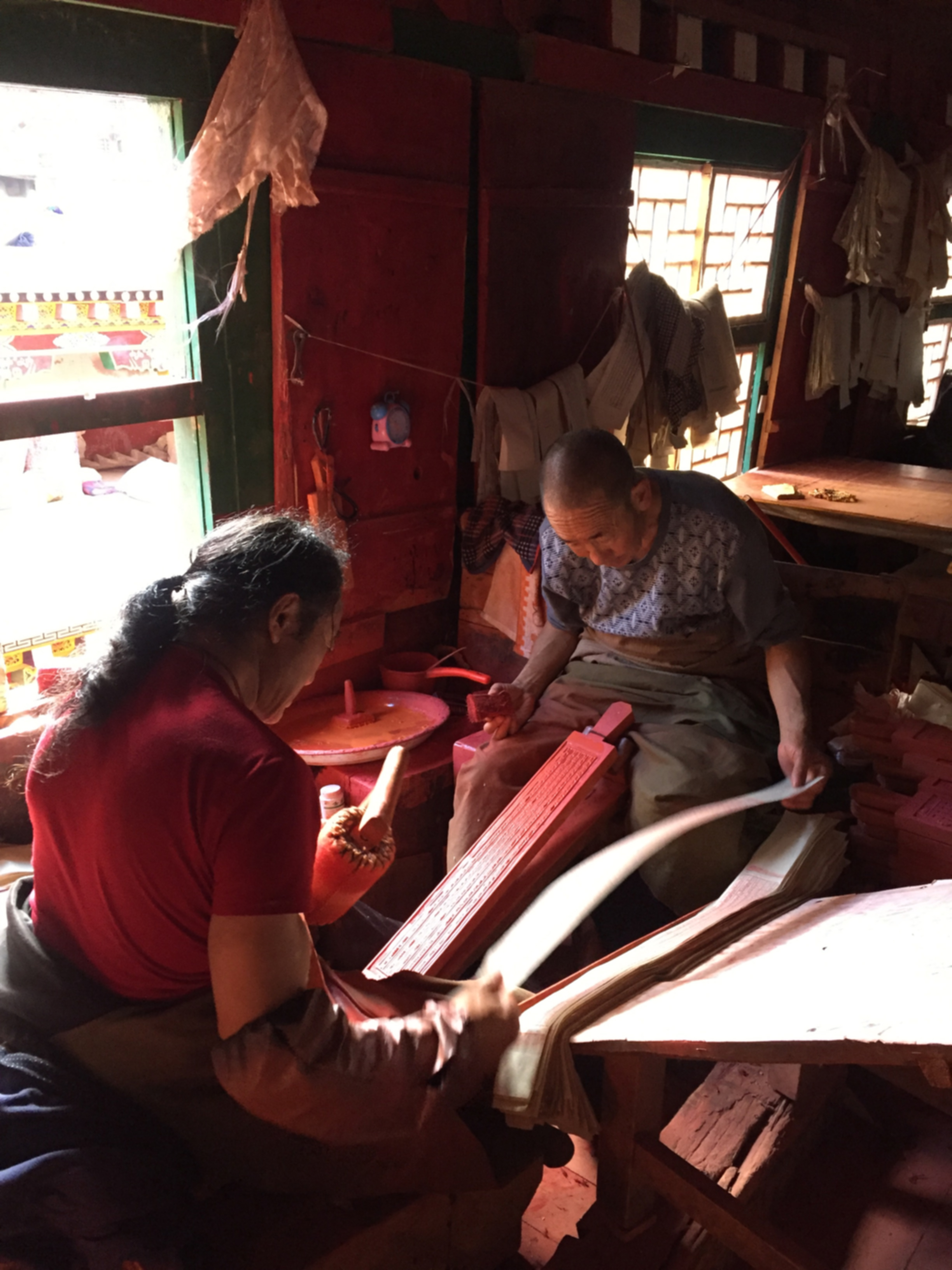
The Dege Printing House (also known as Dege Parkhang) is a living cultural treasure and one of the most significant repositories of Tibetan literature and art in the world. Its significance lies in its unparalleled role as a center for cultural preservation, religious authority, and living history.
Inscribed on the UNESCO Memory of the World regional register in 2024 for preserving irreplaceable documentary heritage
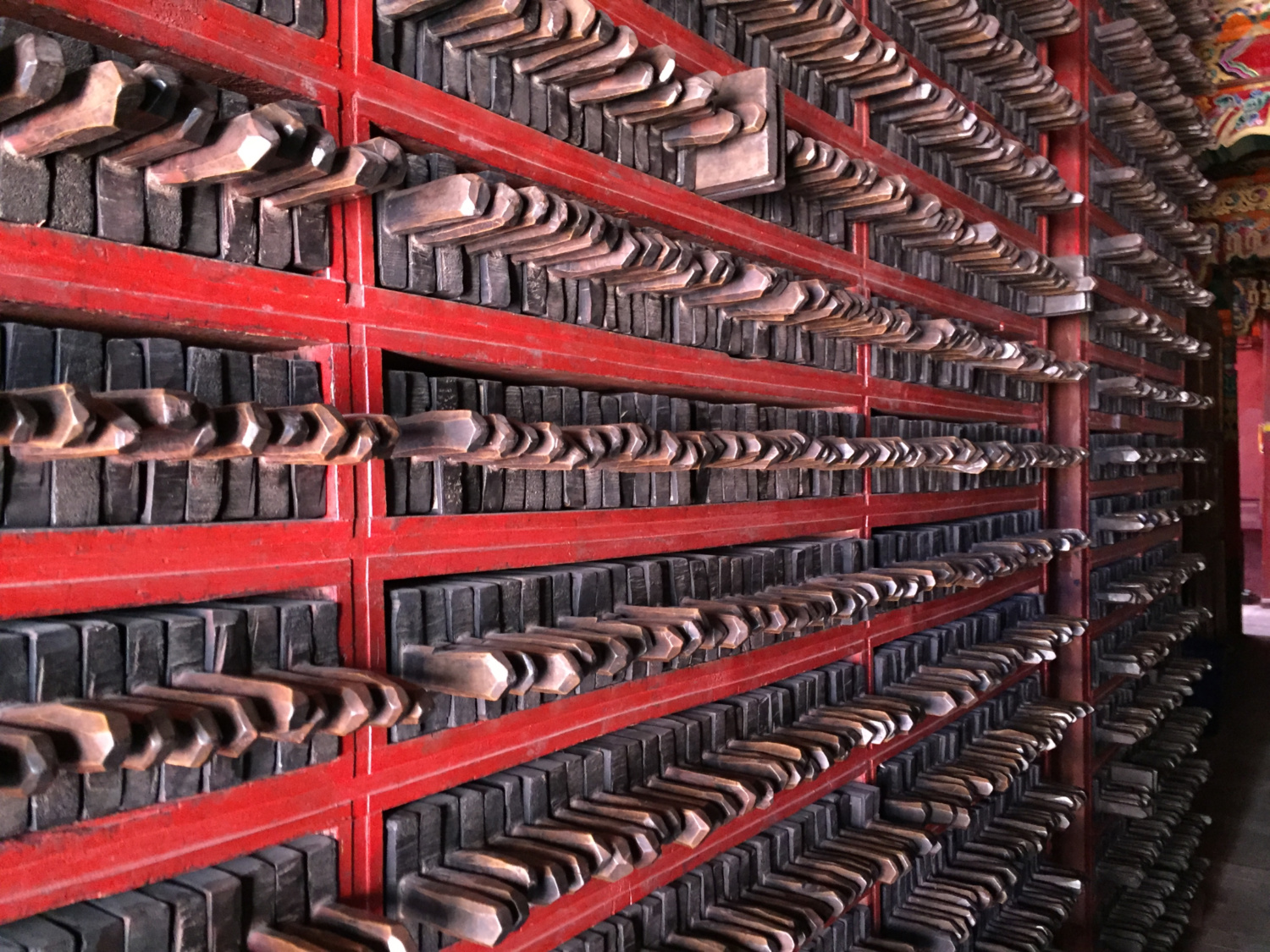
Holds over 300,000 woodblocks containing 70% of Tibetan literary heritage, including Buddhist scriptures, history, medicine, astronomy, and art
Continues to operate without electricity using traditional 18th-century techniques, printing thousands of pages daily as a functional institution, not just a relic
The Dege Printing House is more than a historical site; it is the heart of Tibetan intellectual and spiritual life. For nearly 300 years, it has safeguarded a vast ocean of knowledge, and by keeping ancient traditions alive, it remains an indispensable bridge between the past and the future of Himalayan culture.
Dzongsar
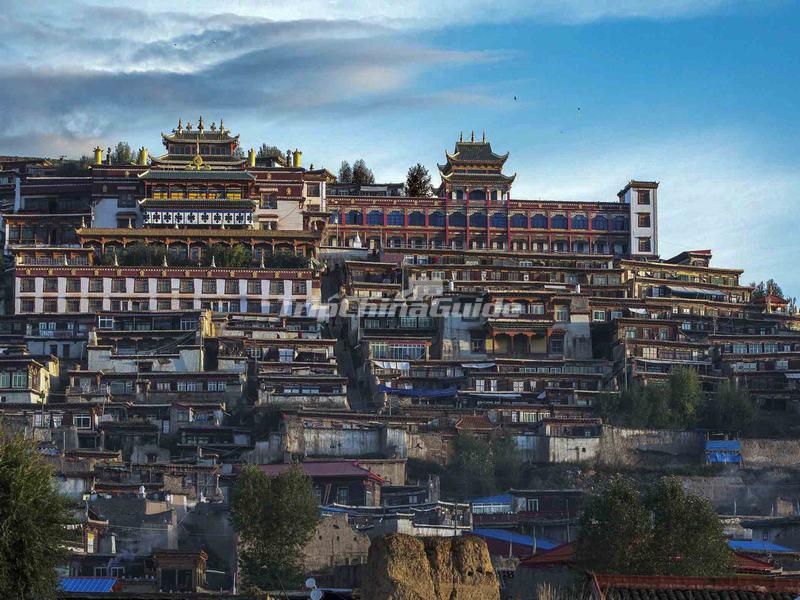
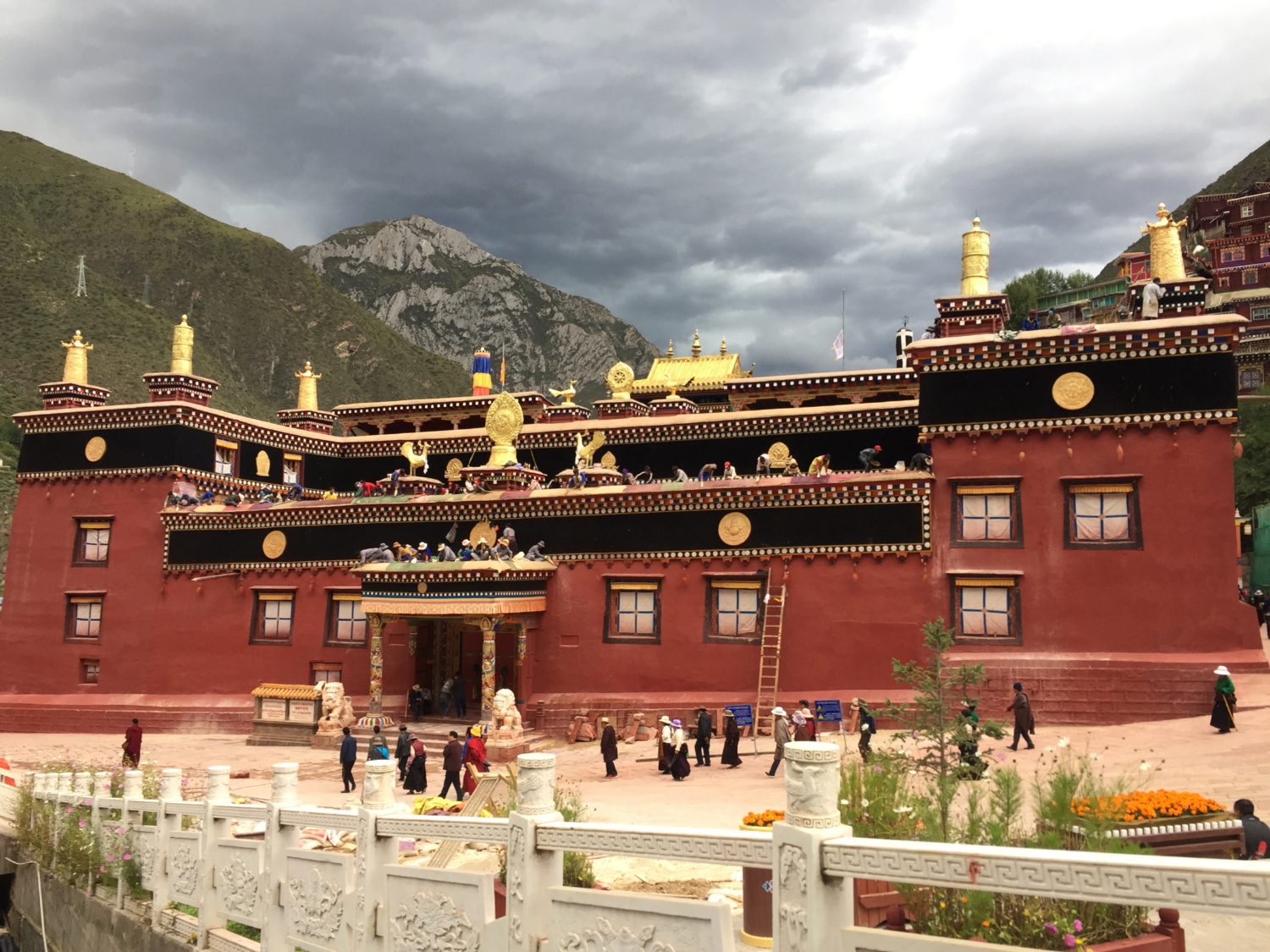
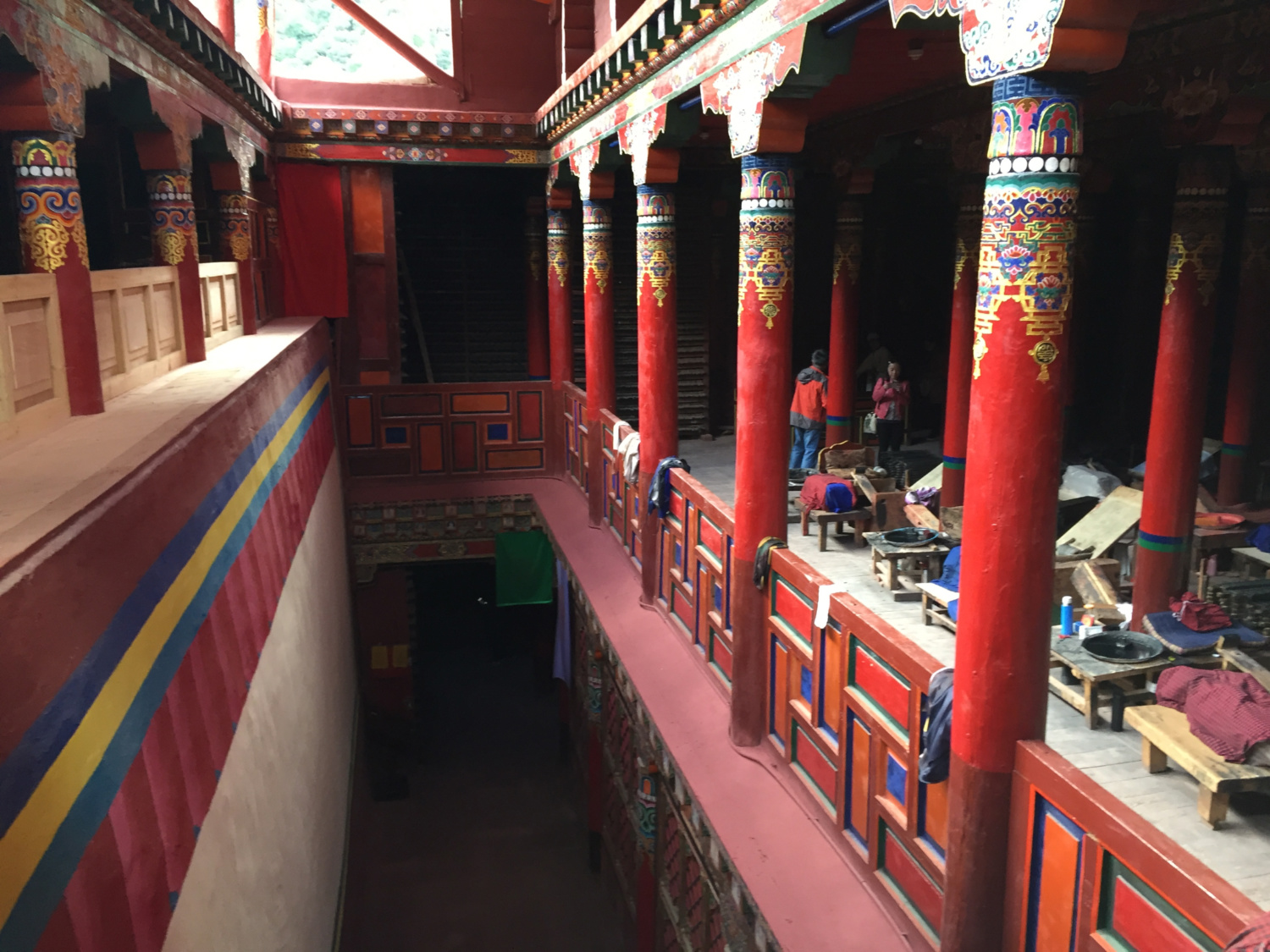
Dzongsar Monastery, perched on a sharp ridge in the remote Dzongsar Valley of Sichuan, China, is one of the oldest and most significant monastery complexes in the Kham region. Its significance stems not only from its long and layered history but also from its pivotal role as a center of the non-sectarian Rimé movement and as a renowned seat of Buddhist learning.
Ancient Origins: The site’s spiritual history is very old. It was originally founded as a Bön shrine as early as 746 AD (Bön is the indigenous religious tradition of Tibet that predates Buddhism)
Sakya Foundation: The monastery as it is known today was established in 1275 as a Sakya school monastery by Drogön Chögyal Phagpa, a key figure in Tibetan Buddhist history, on his return from China
The monastery also runs a school teaching Tibetan traditions and is known for producing its own traditional incense
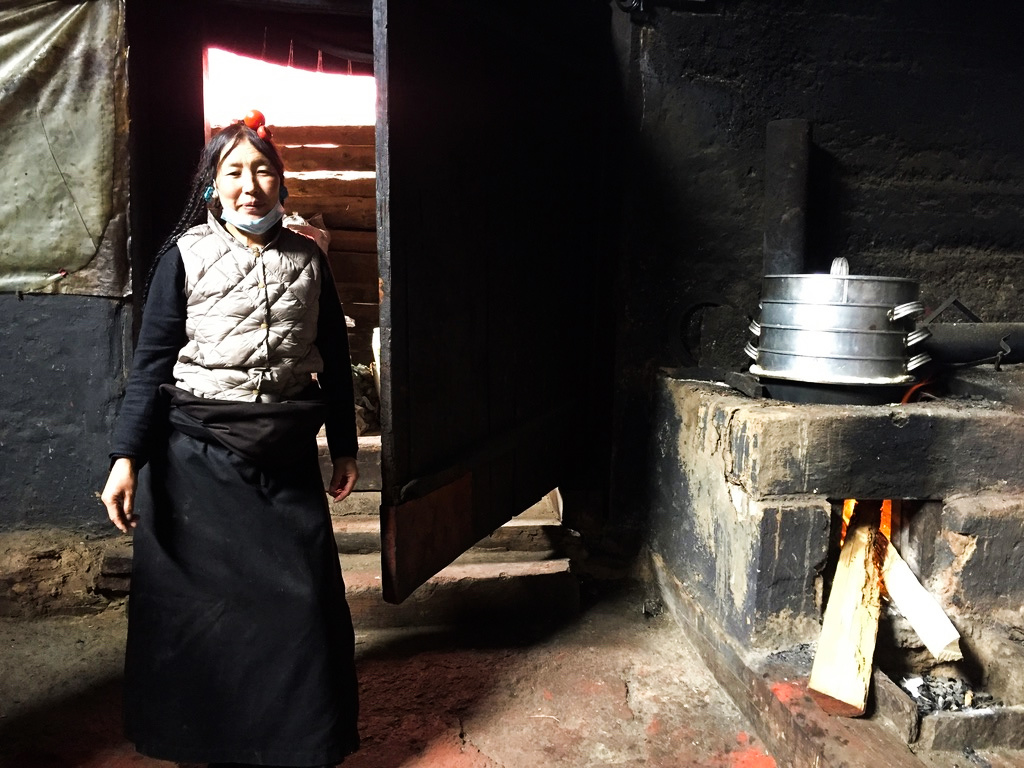
For travelers, it remains an “utterly charming” destination, noted for its mystical atmosphere and the “absolute dearth of other tourists”.
Litang
Litang
Although its location is quite high there are so many things to discover around Litang. The driving goes through mountains and several high passes until Litang and then the landscape changes from mountainous to rolling grasslands. You would visit many villages and communities along the road
Mount Genyen
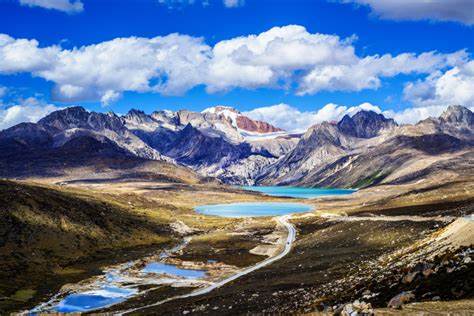
The hidden mountain Mt Genyen is marvelous to see. It’s not known by many people yet it offers a perfect day hike up to an old monastery deep in the valley
Lhagong (Tagong)
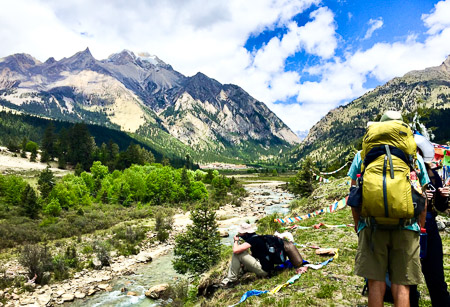
It’s a small but very interesting town with a beautiful, historical, and ancient temple with local people. On top of that, there is a spectacular view of Mt Shakdrag (Yala). There are some nice hotels with a Tibetan taste.
Yala Mt national park( Zhara Lhatse)
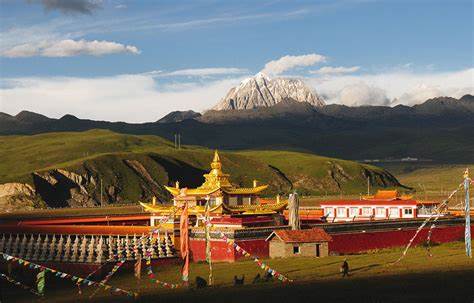
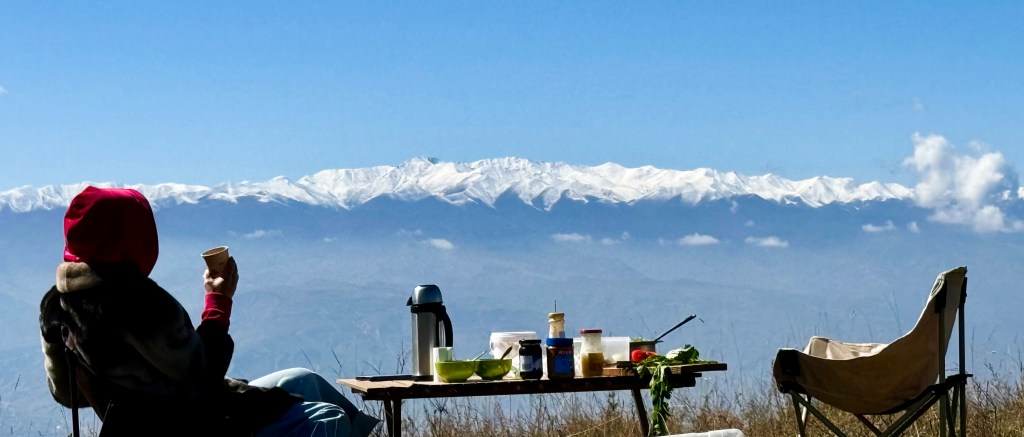
Both Minyak Gangkar and Yala mountain, with their soaring peaks, are truly inspiring; it gives you different visions from different angles. The crystal clear rivers and the blue lakes at the bottom attract all walks of life. It’s also a perfect place to have a hike and picnic.
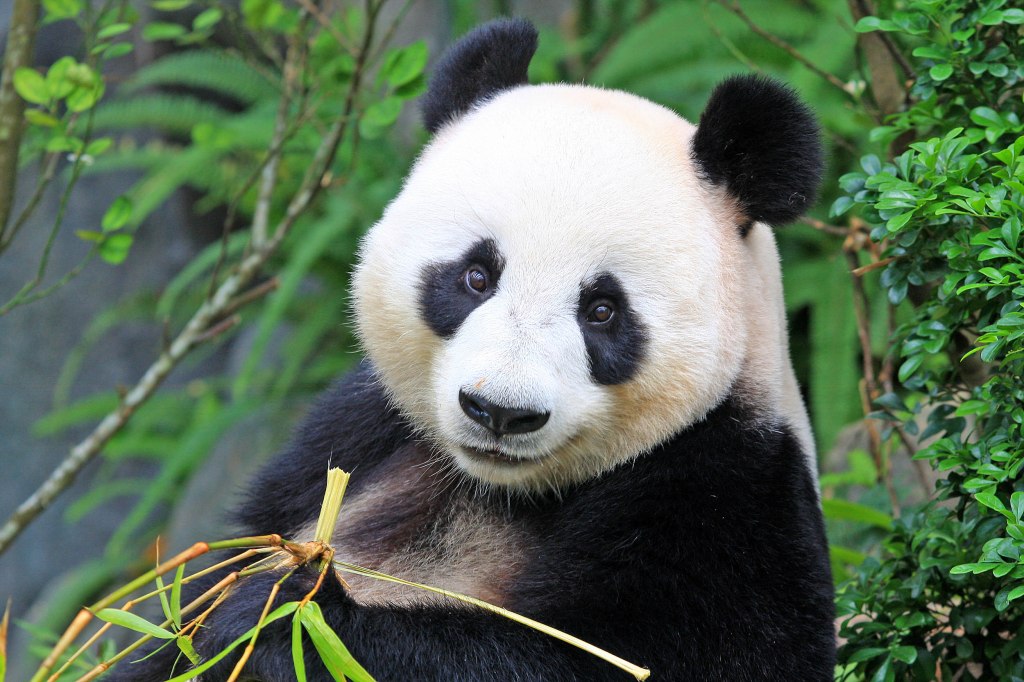
Ya’an Bifengxia Panda Reserve
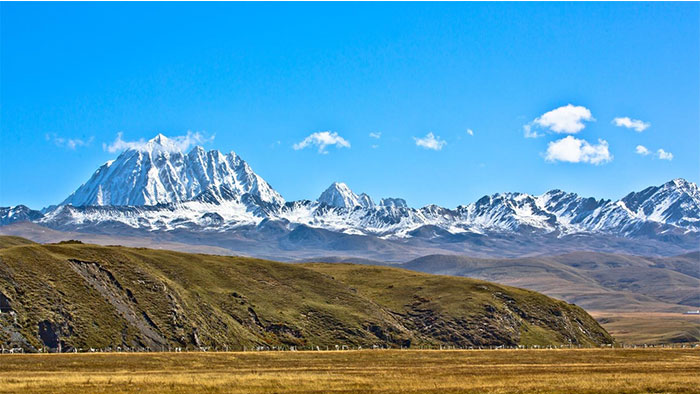
Nestled within the lush Bifengxia Gorge in Ya’an, Sichuan—the very region where the first giant panda was discovered—this reserve serves as a vital branch of the China Conservation and Research Center for the Giant Panda. Established in 2003, its mission expanded significantly after the 2008 Wenchuan earthquake, when it became a new home for pandas displaced from the Wolong reserve .
Today, the base is home to over 60 giant pandas . It is thoughtfully divided into three main areas: White Panda Terrace for adult pandas, a Panda Kindergarten for hand-reared cubs, and an Overseas Panda Returnees Paradise housing beloved pandas born abroad . Unlike the bustling crowds at Chengdu, Bifengxia offers a quieter, more serene experience, allowing visitors to observe these national treasures in a setting that closely mimics their natural habitat .
Trip a glance
D01. Xining
D02. Shakhung -Karothang village
D03. Rebkong-Rongpo Monastery
D04. Labrang
D05. Sokdzong
D06. MtJigan- Machu (Masqu)
D07. Ngawa
D08. Mt. Nyenpo Yurtse
D09. Ngawa- Gonmang monastery and the nunnery
D10. Serta
D11. Kandze-Karze Gonchen
D12. Derge print-house-Yilhun Lhatso lake
D13. Dzongsar – Dzonsar Gonpa
D14. Day hiking around Dzongsar
D15. Batang
D16. Litang
D17. Mt. Geynen
D18. Lhagang- Lhagang temple.
D19. Yala Mt national park( Zhara Lhatse)
D20. Ya’an Bifengxia Panda Reserve-Chengdu
D21. Departure from Chengdu international airport
ITINERARY
D01. Arrival in Xining by flight from Beijing or another cities in China.
D02. Drive to Shakhung Gongpa, visit the monastery and continue to Karothang village(Tibetan village) to explore the village. Stay with the Tibetan family.
D03. Drive to Rebkong en route visit Gomer temple and Sangeshong Yagotsang School of Thank.
D04. Drive to Labrang, and en route visit Gartse Gompa and Ganja grasslands with some walking
D08. Drive Drive to Mt. Nyenpo Yurtse national AAAA park and the visit lakes
D05. Sokdzong
D06. Visit the nature wonders of Mt.Jigan and coutune to Maqu.
D07. Ngawa- on route visit the giant prayer wheel.
D16. Litang- visit the tow sister lakes
D09. Ngawa visit Nangshik Bön monastery, Kirti Gompa, Gonmang etc…
D10. Drive to Serta, en route visit the nine store Milaripa’s temple.
D11. Gardze- visit the ancient temple and local markets
D12. Drive to Derge print-house, en route visit Yilhun Lhatso lake.
D13. Drive to Dzongsar and visit the Dzonsar Gonepa
D14. Day-hike in Dzongsar
D15. Batang
D17. Drive to Mt. Gyenyen, one of the sacred mountain in Kham region.
D18. Drive to (Tagong )Lhagang. visit the Lhagang ancient temple and enjoy the stunning view of Mt. Zhara(Yala mountain)
D21. Departure-Chengdu international airport
D19. Drive to National Park , Yala snow mountain ( Zhara Lhatse) and hike in the mountains and enjoy the stunning lakes.
D20. Ya’an Bifengxia Panda Reserve-Chengdu
 Tibetan Caravan Tours